Have you ever wondered where the idea came from for what we call a “RenFest” and “RenFaire”?
Well, wonder no longer as you learn some unexpected facts about the history of the popular cultural trend called a renaissance festival. Tell us what you think!
All-American Story
It is widely accepted that the first such event was called a “Renaissance Pleasure Faire” and has its origins in an unexpected place and time. Imagine Southern California in the 1960’s.
Small Town Roots
Let’s go back to 1963, to the town of Agoura, California, a small community just northwest of Los Angeles and north of the Santa Monica Mountains. We actually have a school teacher and her creative teaching methods to thank for the phenomenon that started as a fun class project for her students. In 1963, English teacher and drama major, Phyllis Patterson staged a small fairewith her class. With the assistance of her husband Ron Patterson, they teamed up with a local radio station to hold a larger event as a fundraiser for a local radio station. They had the inspiration to host an event that would combine historical re-enactment with creative entertainment, featuring period costumes, live performances, and artisanal crafts for sale. In addition to their goal of creating a fun experience, the other main goal was to sell products and raise money. In just one weekend, at least 8,000 people visited their festival in 1963. The idea caught on like wildfire, and by the mid 1970’s, Renaissance Festivals like the Patterson’s were being held throughout the country. For almost 60 years, sponsors and patrons have been using their imagination and creativity to re-create and reinvent the past to celebrate a romantic notion of the olden times. Obviously, the imagination of the general public was captured and this served to establish the origins for the Renaissance Festival tradition that we know and enjoy today all around the United States.
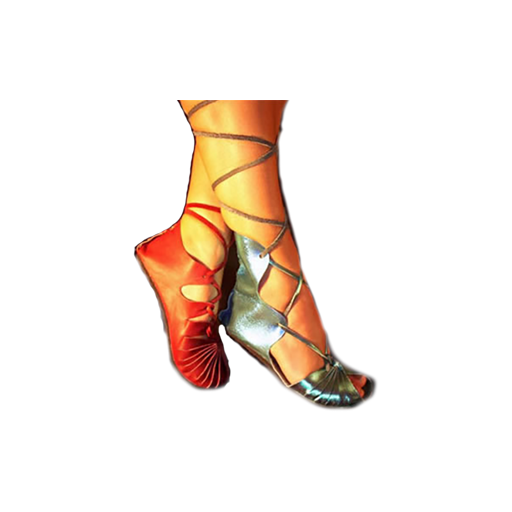
Learn about another small town, San Marcos, Texas, that is the home of craftsmen who daily keep your feet ready for any renaissance festival!
A Woman Begins The Trend
Phyllis Patterson’s “Renaissance Pleasure Faire” event was indeed a success and her concept captured the imagination of not only her students, but the local population. Phyllis Patterson was not dreaming up these ideas in isolation, however. At about this same time and place, the Society for Creative Anachronism (SCA) was formed. Members of this society would host private events and dress in historical garb, participating in pseudo-historical activities. It was not necessary that everything was historically accurate in either their garments, shoes, plays, or events. Somewhat like Hollywood would portray events in the movies when featuring the renaissance historical period, artistic liberties were incorporated. One of the main differences between the Renaissance Festivals and the SCA was that the SCA events were open only to their members. Renaissance festivals were for the public and they indeed attended.
More Women at The Origins
Read about two other women at the forefront keeping this tradition alive with a family company that crafts custom handmade footwear inspired by the history of ancient times: Chela Wendt-Weiland follows in the footsteps of her mother, Ingrid Wendt.
Join the revolution and shop for your renaissance footwear here!
Renaissance Re-enactors Dream
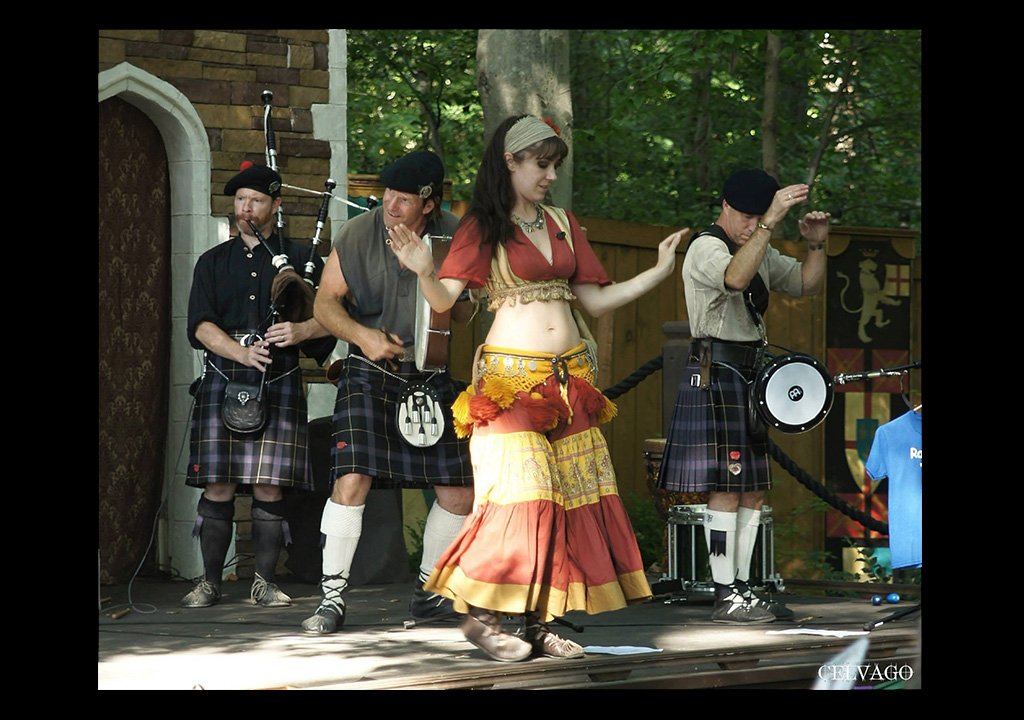
As Americans, it is safe to say that we are intrigued by the idea of olden times with kings and queens, knights on white horses, and all things romanticized from old England and Europe. Testament to that fact is our love of Hollywood movies about such figures as Robinhood and his merry men of Sherwood Forest, King Henry VIII and his 6 wives, and Queen Elizabeth I with her incredible flair for gorgeous dramatic garments. Add to that the excitement of being encouraged to participate in the fun as more than just a viewer in the audience. Playing off of this concept, the Pattersons sought to recreate the atmosphere of an English village during the Renaissance period of the 14th to the 17th century by including period-appropriate costumes, shoes, performances, and market stalls. We generally associate the Renaissance period with cultural, artistic, and intellectual “rebirth” following the Middle Ages.
Fantasy Followed Function
Understandably, a great deal of artistic license was taken in setting up the theme of that first “Renaissance Pleasure Faire” event in 1963. Today’s fans and festival-goers are no doubt aware that our modern faires have little in common with anything experienced by anyone living in the 14th to the 17th century. It is accepted that we all may have a tendency to look back on earlier times as the good old days. We are generally pleased to try and recapture the glory with vintage and period costumes, shoes, trends and stories set in the romanticized version of the past. No doubt we have sympathies in common with that Society for Creative Anachronism (SCA).
Evolution
Most will admit that the goal is entertainment more than period accuracy. At our modern renaissance faires, anachronisms are often featured and encouraged as part of the fun. As Renaissance fairies increased in popularity through the 1970s and ‘80s, more creative elements were incorporated into the entertainment, such as fantasy and mythology, again keeping with the tendency to embrace creative anachronisms. Across the country, similar events and faires were established and unique themes and features were incorporated. There seemed no end to the creativity and imagination of the creators, sponsors, vendors, patrons, and visitors alike. Among them are these festivals: the “Sherwood Forest Faire” in Paige, Texas, the Scarborough Renaissance Festival, in Waxahachie, Texas, and The Maryland Renaissance Festival, in Annapolis, Maryland.